WPF, EPF Introduce First In-Competition Anti-Doping Testing at European Open—and It Could Be Major Step Toward Olympic Standard

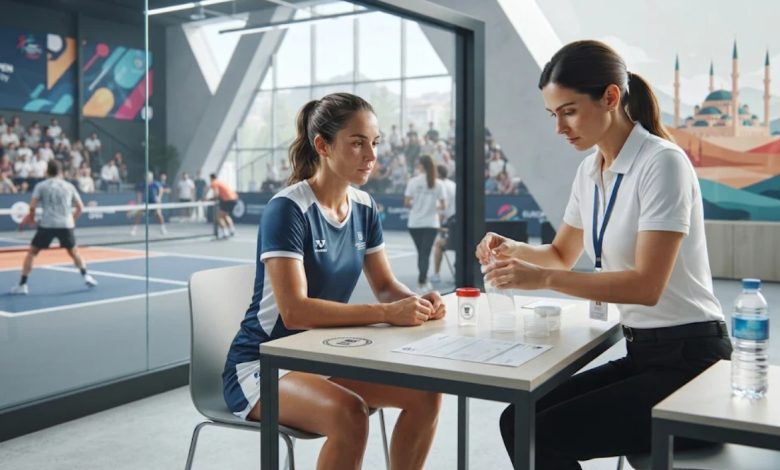
Pickleball may be a long way from the Olympics, but one of the biggest boxes on the checklist just got a tick. The World Pickleball Federation (WPF) and the European Pickleball Federation (EPF) have announced the introduction of official in-competition anti-doping testing at the 2026 European Open powered by APP in Türkiye, which they call a historic first for the tournament.
What Was Announced
Testing was set for Thursday, 5 November 2026, within a designated tournament category. It follows established international anti-doping practices and the applicable WPF anti-doping rules. All players in the selected category were notified in advance, and they form the first group of athletes at the European Open to take part in an official anti-doping testing programme.
Education is part of the plan. Anti-doping activities are meant to help players learn about clean sport, understand their rights and responsibilities, and get a better grasp of how testing works.
The two federations framed the move as more than a single-event measure. In their words, robust anti-doping standards are a defining milestone in pickleball’s development, protecting clean athletes, strengthening competitive integrity and demonstrating the commitment expected of leading international sports. They also called credible anti-doping programmes an essential element of modern sports governance and an important step towards broader international recognition.
They were careful not to overpromise. “No single initiative can determine a sport’s future,” the announcement said, but it called the programme “meaningful progress” in pickleball’s evolution on the world stage.
The Olympic Connection
The timing is striking. Only days ago, we reported that pickleball won’t be considered for the Brisbane 2032 Olympics and was never eligible for Los Angeles 2028, in large part because it lacks an IOC-recognised international federation. We also set out the barriers in the way, and anti-doping was one of the main ones.
The reasoning is simple. To earn IOC recognition, a federation must comply with the World Anti-Doping Code and recognise the jurisdiction of the Court of Arbitration for Sport. As we noted, the WPF itself says it is “pursuing” recognition, with its WADA-aligned anti-doping programme still in development. And WADA-compliant testing, we said, had reportedly only begun in pilot form at select European events.
This European Open programme appears to be exactly that kind of pilot, and it shows the WPF doing what its own checklist says it must. A first group of tested players in Türkiye doesn’t make pickleball an Olympic sport, but it moves one criterion from “in development” towards “in practice.”
What It Doesn’t Solve
It’s worth keeping perspective. The biggest obstacle on the road to the Olympics remains the split between rival governing bodies. The WPF and the Global Pickleball Federation (GPF) haven’t united, and the IOC only recognises a single federation per sport. The GPF, for its part, has also taken anti-doping steps, so the WPF isn’t alone in working on it.
Then there’s the gap between federations and commercial tours such as the PPA Tour and MLP, which run their own competitions outside either federation’s direct authority. A drug-testing programme at one federation-run event, in one category, is a start, not a system.
Asia Is Watching
In Asia, similar groundwork is under way. In Malaysia, the new leadership of the Malaysia Pickleball Association has put an anti-doping committee on its to-do list, partly to meet the Olympic Council of Malaysia’s affiliation requirements, and it hopes to have pickleball included as a demonstration sport at the 2027 SEA Games. The Philippines, meanwhile, already has pickleball under the supervision of the Games and Amusements Board, thanks to the recognition of the Pickle Yard Conference League as a professional sports organisation.
None of that puts the sport on an Olympic podium. But as the next realistic window, 2036, comes into view, each of these steps adds to the case. If pickleball wants to be taken seriously on the biggest stage, clean sport has to be part of its everyday practice, and the European Open is a first step in that direction.