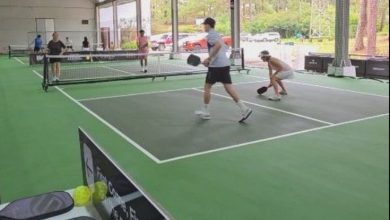
Ball Dispute Turns Quang Duong vs. Phuc Huynh Finale of Mindanao Open 2026 into Fiasco—Ending With Shared Gold

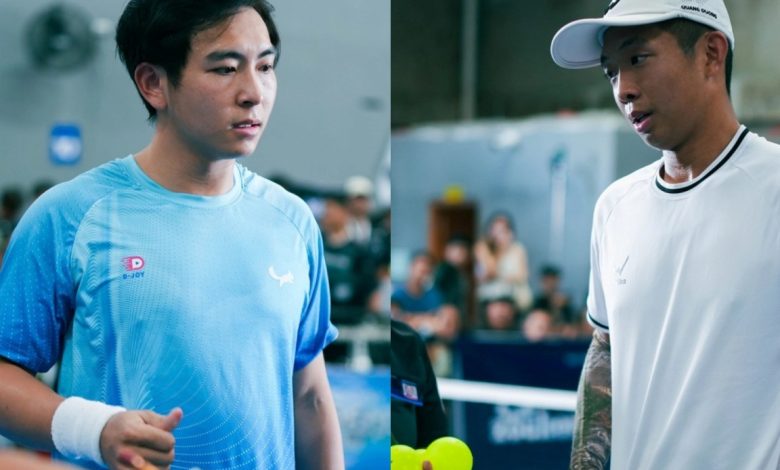
The Mindanao Open 2026 had its men’s singles final all set: Quang Duong vs. Phuc Huynh.
Two Vietnamese players, two gold medal contenders, one court. Then neither of them stepped onto it.
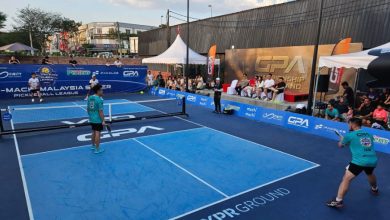
What unfolded on the afternoon of 22 May 2026 at the Davao pickleball tournament was one of the strangest episodes in recent pickleball history—a championship match that never happened, an award ceremony that had to be redone, and a controversy that cuts to the heart of sponsorship conflicts in a rapidly professionalising sport.
Quang Duong and Phuc Huynh had both navigated a competitive draw to reach the men’s singles final. When the time came to play, they refused. Duong would not use his opponent’s ball. Huynh would not use his. The final was cancelled. The crowd watching the livestream was baffled. The questions started immediately.
The issue, as it emerged, was not personal animosity. It was branding.
Quang Duong, Phuc Huynh at Odds Over Ball
Both the 40-hole and 48-hole pickleball variants—produced by two different Vietnamese manufacturers—were official tournament balls at the Mindanao Open. Huynh is sponsored by the brand behind the 40-hole ball. Duong had been playing his matches on the way to the final with a 48-hole ball and refused to switch. The organisers had, in effect, created a conflict by accepting sponsorships from two competing brands whose star players were both competing in the same draw—and when those players met in the final, there was no clean resolution.
The fallout was messy. The organisers initially awarded the championship to Huynh. Duong did not accept. Several hours of discussions followed. Then, in a reversal that surprised everyone, the organisers declared both players joint champions—citing “unforeseeable circumstances” that prevented the final from taking place and framing the dual gold medals as a matter of respect and fair play. Nguyen Huu Hung Anh took third place.
Duong’s father, Duc Duong, left no ambiguity about where the family stood.
“We didn’t fly from the US to the Philippines to advertise for another company,” he said. “If it weren’t for the sponsor’s request, I would have cancelled today’s match. Quang Duong is participating in this tournament because of the sponsor’s ball, not because he’s playing for free.”
The organisers, for their part, have since provided a full timeline. On the first day of competition—21 May 2026—the 40-hole ball associated with Huynh was used. On the second day, 22 May 2026, Duong’s 48-hole ball was in play. When both players reached the final on that second day, Duong wanted to continue with the ball he had been using throughout. The disagreement that followed made the final impossible.
Lesson Learned
To prevent the conflict from recurring, Philippines Pickleball Federation founder Aldus Corel Dela Cruz decided that the remaining two days of competition—23 and 24 May—would use only 40-hole balls, alternating between the two brands on a daily basis. The 48-hole ball was no longer used.
The broader issue goes beyond one tournament. For elite players whose livelihoods are tied to sponsorship agreements, using a rival brand’s equipment is not a minor inconvenience—it is a fundamental conflict of interest. In pickleball, where the difference between ball types is not merely cosmetic but involves genuine performance variables in hole count, construction, and feel, the stakes are real. Accepting competing ball sponsorships in a draw that could pit those sponsors’ athletes against each other in the final is a structural problem—and the Mindanao Open just learned that lesson the hard way.
Two players. Two gold medals. Zero games played. And a sport that still has some growing up to do.