Japan’s Pickleball Boom Has a Court Problem, and Sansan Is Betting on a Pro Pipeline

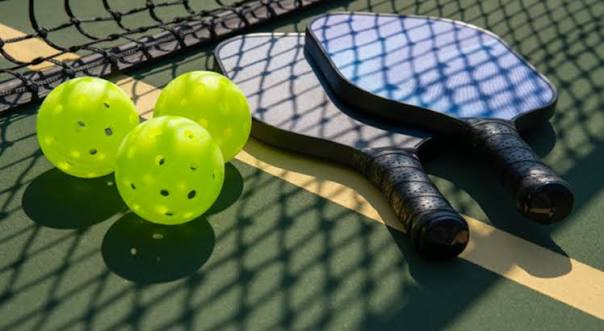
Here’s a problem most sports would love to have: too many people want to play, and there simply aren’t enough places to do it. That’s the situation pickleball finds itself in across Japan, where demand has raced well ahead of infrastructure, according to a feature report. At the same time, one major company is already working on the other side of the equation, building the pros who will give the boom a face.
Too Many Players, Too Few Courts
The numbers explain the squeeze. According to Pickleball One Inc., a Tokyo company that operates courts and sells equipment, Japan’s player base reached about 330,000 in 2026. For context, it stood at around 9,000 in 2024 and about 45,000 in 2025, with frequent television coverage credited for much of the surge.
Courts, however, haven’t kept pace. The Pickleball Japan Federation, the governing body established in April, has been fielding repeated requests from schools, businesses and local communities to set up dedicated courts. In the meantime, players make do with gymnasiums and other multipurpose facilities, and many say getting a reservation is close to impossible. Some venues have even stopped accepting new pickleball bookings altogether.
It doesn’t help that the sport is only getting more fashionable. Company executives have used it for networking since around 2023, entertainers and influencers have tried it on TV and online, and “morning pickle” before work has become a routine for many office workers.
A Tennis Club Finds a Fix
Some operators are finding creative answers. Well Racket Club in Tokyo’s Katsushika Ward, a tennis organisation with 36 years behind it, turned an unused outdoor tennis court into four pickleball courts in April 2025.
The results speak for themselves. The club drew 324 people to its spring 2025 trial sessions, and its membership has since grown to 3,000. Its systems manager, Sho Fujimoto, says even first-timers can rally after about an hour, which goes a long way towards explaining why beginners keep turning up.
Sansan Builds the Pro Pipeline
Courts are only half the story, though. Sansan, a Japanese provider of cloud-based business card management services, launched a top-player development project called “Pickleball X” in 2025. The company has picked 36 athletes from among former tennis and badminton players and given them training opportunities in pickleball. This year, it is considering a league of about 50 players split into six teams.
The most visible success story so far is Nasa Hatakeyama, 29, a top-level university tennis player who went into advertising before a friend nudged him towards pickleball. He quit his job to turn pro, chasing what he called “a challenge that can only be pursued now,” and in May 2026 he won an Asian tour men’s singles event.
His next goal is bigger. He wants to go from Asia to the world stage and break into the top ranks.
The thinking behind the project, as Ryosuke Koike, head of Sansan’s pickleball business promotion office, explained it, is that the sport will spread faster once fans have top players to follow on social media, watch and cheer for.
Sansan is also putting bricks and mortar behind the plan. In July, it opened a dedicated facility in Tokyo’s Ikebukuro district with seven indoor and outdoor courts, converted from a former indoor swimming pool. The site is meant to give elite players a training base while also catering to the rising demand for recreational play.
The same month, the PPA Asia 500 Sansan Tokyo Open drew 750 players to an indoor arena in Tachikawa, which says plenty about the scale of the appetite.
Beyond the Boom
Can it last? Ritsumeikan University professor Yoshifusa Ichii says the answer lies in whether people feel pickleball suits their circumstances and age while offering something different from the sports they’ve played before. He also stressed the need to balance growth with commercialisation, and with money pouring in, including a reported US$225 million investment by a major US firm in the sport’s world tour and events earlier this year, that balance will matter.
For now, Japan’s pickleball story is one of a demand problem, a supply problem, and a company trying to solve the second before it overtakes the first.