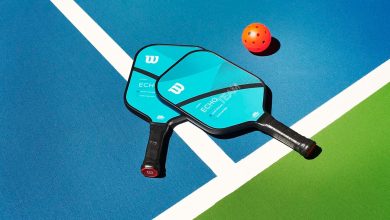
PH-Based Diabetologist Says Pickleball’s Popularity Is Good News for Fight Against Diabetes


(Reminder: Before starting with any exercise plan or programme, people with diabetes should consult their doctor first.)
Here’s a rare piece of good news from a doctor’s office: the Philippines’ pickleball boom may be doing some good for people’s health. A prominent diabetologist in Davao City in the Philippines says the sport, along with other forms of physical exercise, can help people living with diabetes.
Dr. Gener Rubio, an internist-diabetologist, made the remarks during a guesting at the Department of Health-XI (DOH-XI) press conference. One of the ways to educate people about diabetes, he said, is to encourage them to exercise, since it helps improve blood glucose levels.
And in Davao’s urban areas, at least, that’s getting easier. “We are now in the era of exercise,” Rubio said, noting that pickleball has become the most popular sport today, with a court on nearly every street. For specialists like him, that’s a relief, because he said they no longer need to convince as many urban residents to become physically active.
Pickleball isn’t the only activity drawing people in, either. Rubio said urban residents are also taking up running, trekking, triathlon and Hyrox.
How Much Exercise Is Enough?
So how much should players be moving? Rubio gave a few guidelines:
- Around five times a week is the recommended frequency of physical activity, with lighter options such as walking or Zumba.
- For rigorous activity, such as pickleball or basketball, 30 minutes a day, just three times a week, will do.
- One long weekly session isn’t enough. “We do not recommend an exercise of two hours, three hours every Sunday,” he said.
For many of us who spend our weekdays at desks and then cram in a marathon pickleball session on Sunday, that last point is worth a second thought. Shorter, more regular sessions are the way to go.
Don’t Undo the Work with Dinner
Rubio also had a gentle reminder for players. After a good session on the court, he hopes they don’t eat too much “to recover what they lost through exercise.” Exercise, he stressed, should go hand in hand with a proper diet, along with the commitment and discipline to keep up a healthy lifestyle.
If people remain undisciplined about exercise, diet and awareness, he warned, the number of people diagnosed with diabetes will continue to rise.
The Challenge Beyond the Cities
While urban areas may be in “the era of pickleball and exercise,” Rubio said the concern now shifts to rural communities, where awareness lags. According to Rubio, screenings in the countryside have turned up prevalence rates as high as 20 percent in some barangays, against a normal rate of seven to eight percent. That means roughly two in every 10 people screened were already diagnosed with diabetes.
He cited figures of 4.7 million Filipinos currently diagnosed with diabetes, with around 30 percent of cases still undiagnosed. “We have to go beyond the urban areas,” he said. “We must go to the rural areas, screen them, raise diabetes awareness, and provide continuing care.”
DOH-XI Assistant Regional Director Dr. Grace Amistoso said the agency’s Purokalusugan program deploys health workers to barangays to provide services such as diabetes screening in each purok. A separate non-communicable disease program, PhilPEN Screening, covers diabetes, hypertension and high cholesterol. Those with high blood sugar are referred to a higher level of care for confirmation, and are given information on managing diabetes through diet, sports and exercise.
You Don’t Need a Court
Amistoso added one more point: exercise doesn’t have to cost anything. Traditional games like shatong and touch ball will do, she said, which is especially relevant for children, many of whom, she noted, live sedentary lifestyles. That’s why the agency wants to intensify its advocacy for regular exercise and healthy living.
For the growing number of Filipinos picking up a paddle, the message is simple: keep playing, keep it regular, watch what you eat afterwards, and spread the word to those who don’t yet have a court on their street.