Over 100 Filipino Coaches Earn Coaching Stripes—and RPO Isn’t Finished With Them Yet

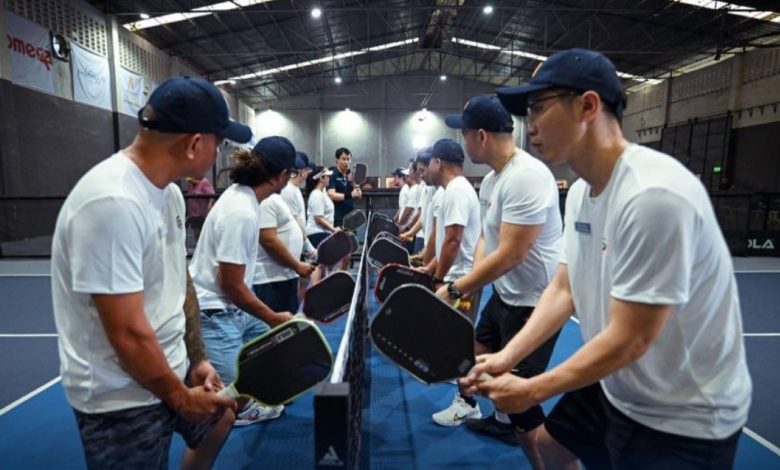
Manila, Cebu and Davao have just produced something the Philippine pickleball scene has been quietly short of: a proper, internationally recognised pipeline of certified coaches. The Racket Professional Organization has wrapped up the Philippine leg of its APAC Level 1 Coach Training Tour, and the numbers are striking for a sport this young in the country—more than 110 coaches now hold the certification, making it one of the largest coach education efforts pickleball has seen here to date.
The Philippines wasn’t the tour’s first stop, either. RPO had already run successful legs through Malaysia and Vietnam before landing here, and the whole exercise sits under a much bigger ambition: building consistent coaching standards right across the Asia-Pacific region, rather than leaving each country to figure out its own patchwork approach.
What the Certification Actually Involves
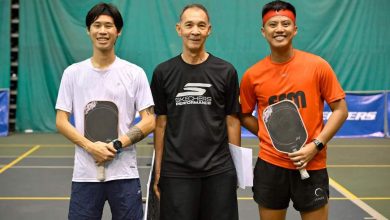
This wasn’t a weekend crash course. Participants worked through ten hours of virtual learning, sat a two-hour online assessment, and then put theory into practice across a six-hour on-court workshop—a proper blend of classroom knowledge and hands-on coaching, covering everything from player assessment and lesson planning to communication skills and long-term development strategy. In Manila, the sessions were led by Collin Johns, RPO’s Global Technical Director and, by any measure, one of the sport’s genuine heavyweights.
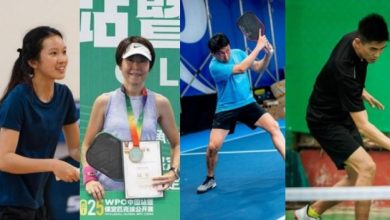
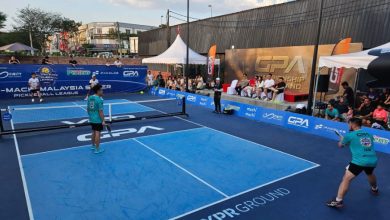
The people who turned up to do the work came from every corner of the scene—clubs, academies, schools, and the sort of grassroots pickleball communities that have been popping up across the country as the sport grows. That spread says something on its own: this isn’t a handful of enthusiasts chasing a certificate for the sake of it. It’s an entire coaching ecosystem trying to professionalise itself at once.
Certification Is the Start, Not the Finish
Connor Nguyen, RPO APAC’s managing director, was clear that the workshop was never meant to be the end point. His vision is a community where coaches keep learning, keep connecting with each other, and keep finding real coaching opportunities long after they’ve packed up their gear from the certification weekend—the sort of lasting structure, he argues, that actually shapes the sport’s future rather than just producing a stack of certificates.
That philosophy has a genuinely practical edge to it, too. Standout coaches from the Manila workshop will get the chance to enter Helios’ coach selection process, a route that could lead to actual coaching placements with one of the country’s leading pickleball venue operators. In other words, this isn’t just paperwork—for the coaches who impressed the most, it’s a fairly direct route into paid, professional work.
Between the scale of the turnout and the pathway now sitting behind it, RPO’s tour has quietly done something that matters well beyond one certification weekend: it’s given Philippine pickleball coaching an actual structure to grow into.