
Hebi Kicks Off 2026 China National Pickleball Championships With Lavish Opening Ceremony

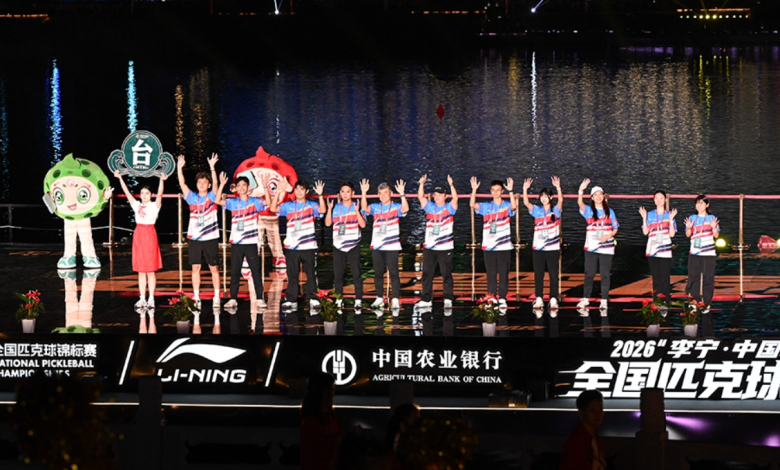
The 2026 China National Pickleball Championships opened in Hebi, in Central China’s Henan province, on the evening of 2 September 2026, and the scale alone tells you how quickly the sport has grown domestically. As the country’s top-tier pickleball competition, this year’s edition has drawn nearly 500 participants across 33 teams, representing all 32 provincial-level regions of China—a genuinely nationwide field for a sport that’s barely had time to put down roots.
That growth becomes even more striking set against last year’s tournament. The inaugural national championships, also staged in Hebi, brought together 311 athletes from 25 teams. A year on, both figures have climbed substantially, suggesting the competition isn’t simply repeating itself annually so much as expanding with real momentum behind it.
Hebi’s Unlikely Rise as a Pickleball Capital
None of this happened in Hebi by accident. The city introduced pickleball back in 2023 and, with backing from the Henan provincial sports bureau, deliberately positioned it as a key development sport for the region. In just two years, Hebi built more than 800 courts, trained upwards of 260 professional coaches and referees, and drew more than 120,000 residents into playing — numbers substantial enough that Mayor Li Ke has described the city as both a pioneer and a model city for pickleball across the province.
The city hasn’t limited itself to hosting national championships and international exhibitions, either. It’s built out a proper grassroots competition structure underneath those headline events, running municipal open tournaments, county-level championships, and community-based competitions that keep the sport active well outside tournament weeks.
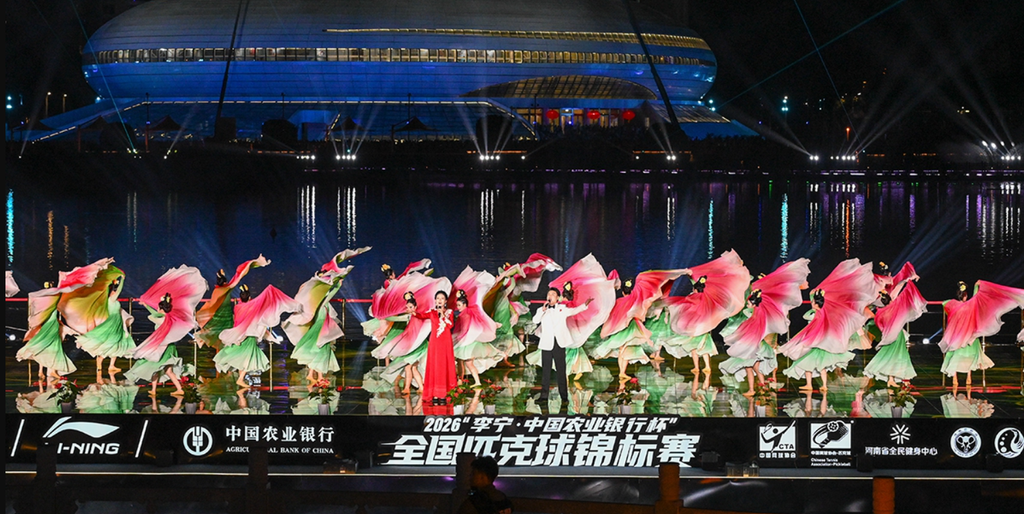
China National Pickleball Championships: More Than Just a Tournament
The national championships themselves serve a purpose beyond crowning winners. Song Hongfei, secretary-general of the China Pickleball Circuit, has explained that events like this one exist partly to assess how the sport is developing across different provinces and cities, given that each region sends its strongest athletes to compete, and partly to help establish clearer competition rules and systems for the sport as it matures nationally.
Hebi has leaned into the occasion as a tourism opportunity too, previously launching a “Watch the Games, Tour Hebi” initiative alongside past editions, offering curated travel routes and ticket discounts to visitors drawn in by the competition. With participation numbers climbing again this year, that blend of sport, civic investment, and tourism looks set to keep building Hebi’s reputation as China’s pickleball capital for some time yet.



One Comment