Every sport has an origin story that sounds slightly implausible in hindsight, and Goa’s contribution to Indian pickleball is no exception. Somewhere in the sport’s early days here, players were making do with plywood paddles rather than anything resembling proper equipment. It’s a detail that says everything about how grassroots this movement actually was before it became one of the country’s fastest-growing sporting stories.
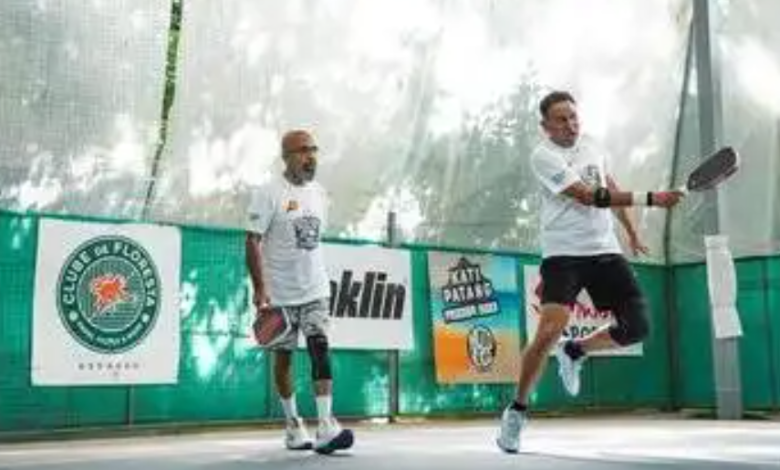
It hasn’t stayed grassroots for long. The Goa Pickleball Association recently staged a national ranking tournament in Madgaon that pulled in 250 players from 17 different states across three days of competition—a genuinely serious turnout for a sport that, in India, is still closer to its beginning than its peak.
Solving the Equipment Problem First
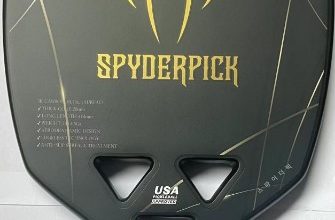
Part of what made that growth possible was a fairly practical decision made early on. Rather than relying entirely on imported gear, one of the sport’s trustees in Goa took the initiative to manufacture paddles locally, even though the raw material itself still comes from China. Selling the equipment at a subsidised cost while saving on import duty removed one of the biggest early barriers to entry, and once that hurdle cleared, organisers found themselves able to run tournaments on a genuinely regular basis, almost every month by some accounts.
That enthusiasm didn’t stay contained to Goa, either. Other states began copying the same formula, using regular, accessible tournaments to build local pickleball communities from the ground up rather than waiting for a national governing body to hand down a blueprint.
Part of a Much Bigger Wave
Goa’s rise makes considerably more sense once you place it inside India’s broader pickleball boom. The country now counts more than 500 courts nationwide, with new ones being added at a rate of 40 to 50 every month, and over 50,000 people are estimated to have taken up the sport within an 18-month stretch alone. Waiting lists for court time have become common in several cities. It’s a genuinely unusual problem for a sport that barely registered domestically only a few years ago.
The professional infrastructure has followed close behind. The World Pickleball League, backed by the All India Pickleball Association, launched its inaugural season with six city-based franchises, and its second season expanded to seven teams with a November player draft that pulled in entrants from 18 countries across five continents. Tournaments once confined to enthusiast circles are now drawing genuine international interest, and Goa’s own Panjim Gymkhana has already hosted national-level events like the 2023 Global Sports Indian Pickleball Open.
Why Goa Specifically Matters
What makes Goa’s role in all this particularly interesting is the added tourism angle. Beyond the players and organisers pushing the sport forward locally, there’s a genuine industry case being made for pickleball in Goa—a state built around hospitality and leisure travel finding a sport that fits neatly into that existing identity, drawing visitors who want to combine a holiday with a bracket of competitive matches.
From plywood paddles to a properly contested national ranking tournament pulling entrants from 17 states, Goa’s pickleball story has moved considerably faster than most sports manage in a single decade. It’s not the whole story of pickleball’s rise in India. But it’s a fairly good example of what that rise actually looks like up close—improvised, resourceful, and built almost entirely by people who simply kept showing up to play.