Lapu-Lapu City Hall in PH Trades Paperwork for Paddles in Charter Anniversary Pickleball Tourney

Government offices are not typically associated with pickleball courts. Lapu-Lapu City Hall in Cebu, Philippines is changing that.
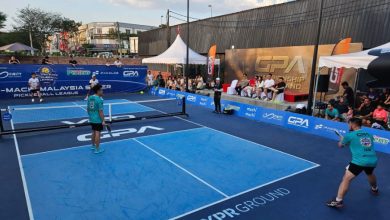
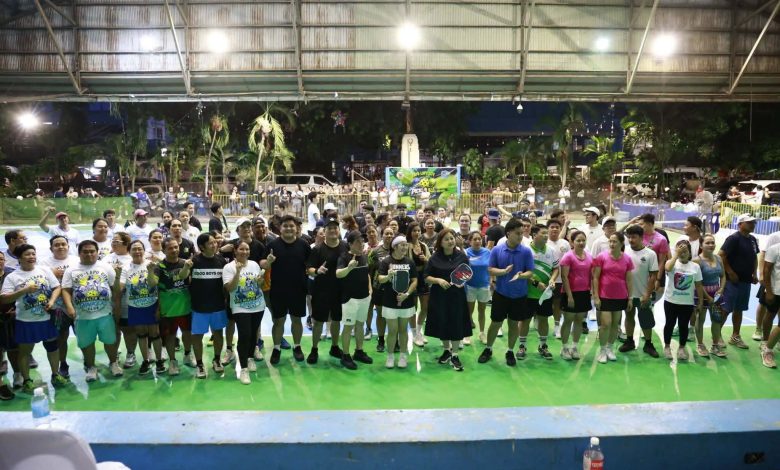
As part of the city’s 65th Charter Anniversary celebrations, Lapu-Lapu City Hall organised a two-day Pickleball Tournament for its employees—bringing together 126 participants from various city offices for a showcase of teamwork, camaraderie, and friendly competition that had nothing to do with ordinances or permit applications.
Mayor Cindi King Chan joined employees, department representatives, and local officials in supporting the event, organised jointly by the Human Resource Management and Development Office and the Lapu-Lapu City Sports Commission. The initiative was deliberate: a structured, sport-centred activity designed to promote employee wellness and encourage a more active lifestyle among public servants who spend most of their working hours behind desks.
The Lapu-Lapu City Hall pickleball tourney the kind of initiative that HR departments across the corporate and public sector are increasingly turning to—and pickleball, more than almost any other sport, has proven itself the ideal vehicle for it. The sport is easy to learn, requires no prior athletic background, and is social by nature. You do not need to be fit to start playing pickleball. You get fit by playing it. And because rallies are inherently collaborative—even in competition—the sport builds the kind of rapport between colleagues that no team-building seminar quite manages to replicate.
That cross-departmental connection was a stated goal of the Lapu-Lapu tournament. Beyond the competition itself, organisers framed the event as an opportunity to strengthen relationships across offices and foster a workplace culture that extends beyond the boundaries of daily tasks and hierarchies. When the head of one department is rallying against a colleague from another, the org chart tends to feel less relevant.
The Lapu-Lapu tournament is not an isolated example. Across the Philippines and the broader region, HR offices and corporate wellness programmes have been quietly adding pickleball to their toolkits—scheduling tournaments, booking courts, and discovering that the sport’s combination of low barrier to entry and high social engagement makes it unusually effective at achieving what most wellness programmes struggle to deliver: genuine participation.
Lapu-Lapu City Hall marked its 65th anniversary by giving its employees a court to stand on and a paddle to swing. As workplace wellness initiatives go, there are far worse ways to spend a charter anniversary.