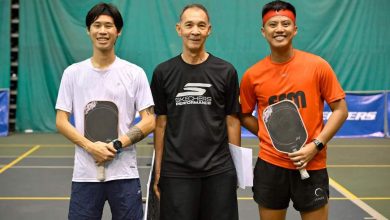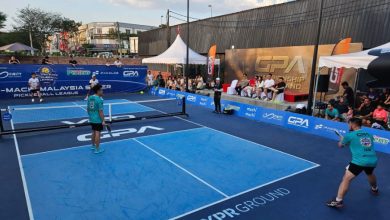
Philippine pickleball’s professional landscape is taking shape—but first, everyone needs to get on the same page.
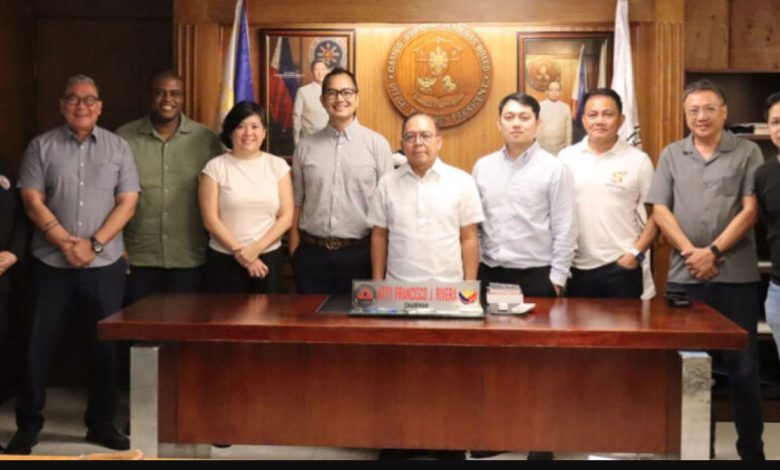
Key stakeholders from the sport’s leading organisations sat down with the Games and Amusements Board (GAB) in Makati City for coordination talks aimed at harmonising standards across a rapidly expanding but still fragmented professional scene. Representatives from the Maharlika Pilipinas Pickleball Tour, the Pickle Yard Conference League, and the Philippine Pickleball Federation joined GAB chairman Francisco J. Rivera for discussions that covered everything from athlete classification to officiating standards.
The agenda was substantive. Officials tackled how to define professional and amateur athletes under existing regulations, how to streamline licensing requirements, and how to develop a unified digital platform for player records and rankings. Long-term priorities—national team development, international representation, and the standardisation of rules and certification processes—also made it onto the table.
The conversations reflect a sport that has grown faster than the structures designed to govern it. Pickleball’s grassroots explosion across the Philippines has produced a wave of tournaments, leagues, and communities—but without a unified professional framework, the risk of fragmentation and inconsistency grows alongside the participation numbers. The GAB, which oversees professional sports in the country and recently recognised pickleball as a professional sport, has made clear it wants to get ahead of that problem rather than manage it after the fact.
MPPT Commissioner Mark Espinosa put the spirit of the meeting simply.
“Our main objective is to promote the pickleball community together,” Espinosa said. “We love the sport and want everyone to be in sync with one another.”
Rivera extended an open door to all parties as the work continues.
“Please feel free to communicate with us,” he said. “We can always meet and discuss so we can adopt the best standards possible for the benefit of everybody.”
The meeting ended with a shared commitment to cooperation and a recognition that the next phase of Philippine pickleball’s growth depends on building the right professional infrastructure now—before the sport outpaces the systems meant to support it.
The talking has started. The building is next.