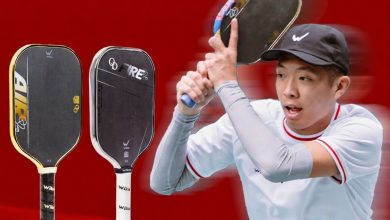
Global pickleball giant JOOLA has taken another decisive step in its ongoing intellectual property campaign, announcing that eight of the eleven companies named in its April lawsuit have now reached resolution.
At the heart of the dispute is JOOLA’s Propulsion Core technology, a design feature first introduced in its paddles back in 2024 and widely credited with shaping the modern performance standard. JOOLA argues that the innovation was copied without authorisation, prompting the company to escalate matters through both the U.S. International Trade Commission and federal court.
Eight Down, Three Still Standing
The list of brands that have either settled or consented includes Paddletek, ProXR, Facolos, Proton, Volair, All Racquet Sports/All For Padel (licensee of Adidas pickleball paddles), and Engage. Diadem, meanwhile, has failed to respond altogether, with JOOLA now seeking a default judgment against the company.
That leaves three holdouts—Franklin Sports, RPM Pickleball, and Friday Labs—still facing active litigation.
“The results speak for themselves,” said JOOLA chief executive Richard Lee. “Eight resolutions is a clear signal that our IP is real, it’s protected, and we intend to keep it that way.”
Why the Propulsion Core Matters
The Propulsion Core has been central to JOOLA’s paddle line, featuring in models such as the 3S, Pro IV, and Pro V. The company insists that years of research and testing went into its development, and that protecting the design is about more than commercial gain—it is about safeguarding innovation in a sport that is growing at breakneck speed.
For JOOLA, the distinction between equipment sponsorships and tour‑level commitments is crucial. Sponsorships provide gear and visibility, but patent enforcement ensures that the engineering behind those products remains intact and rewarded.
Setting a Precedent
The settlements follow a familiar pattern: royalties paid to JOOLA, immediate halts to new production of disputed paddles, and clear acknowledgement of JOOLA’s patent rights on remaining stock. It is a framework that signals strength in JOOLA’s legal position and may encourage the remaining defendants to follow suit.
For the wider industry, the case is more than a corporate skirmish. It highlights how intellectual property disputes could shape the future of pickleball equipment, setting standards for innovation and fair competition as the sport matures.
Eight down, three to go. Whatever happens next, JOOLA has made its intentions clear—it will defend the technology it believes defines the modern game.