Heineken Pickleball World Cup 2026: Singapore Sends 18-Athlete Delegation to Da Nang

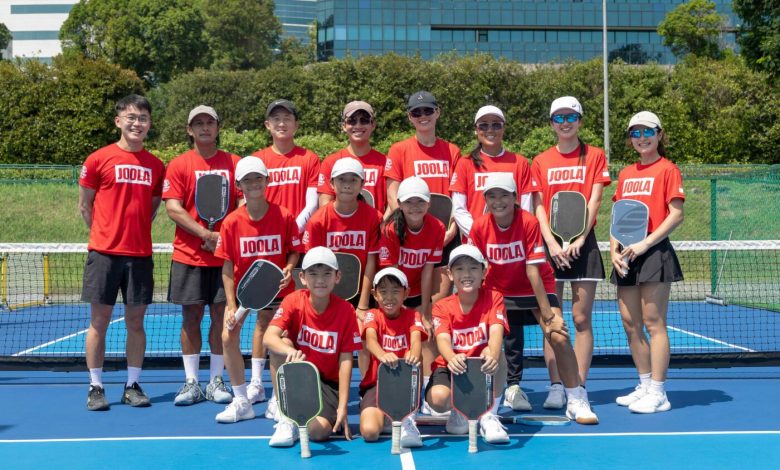
Most national teams exist because a federation decided they should. Singapore’s pickleball contingent at the 2026 World Cup exists because two friends had a conversation over coffee and refused to accept that nobody else was going to organise it.
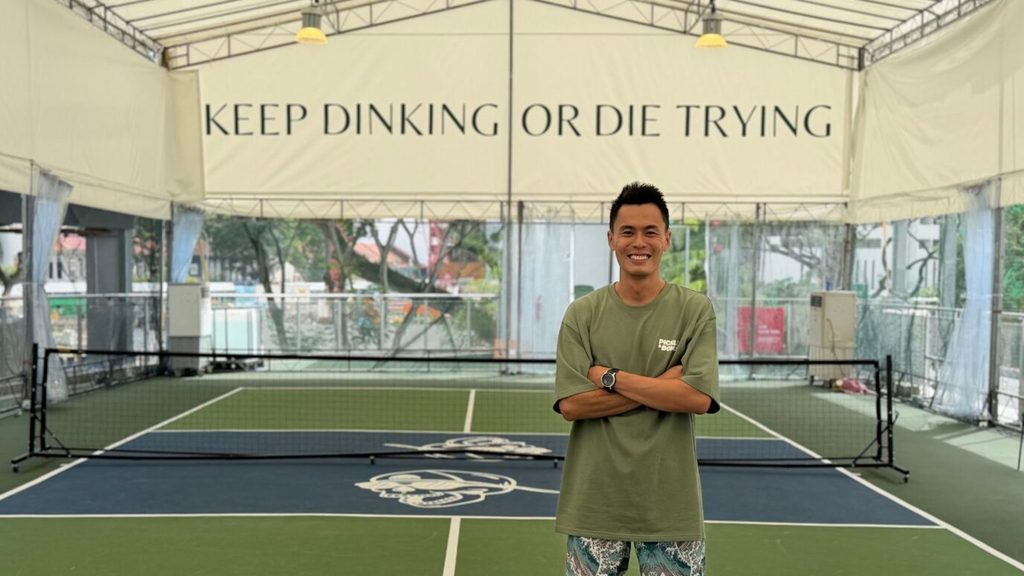
Eighteen players and eight coaches and crew are in Da Nang, Vietnam, this week competing at the Pickleball World Cup 2026, all under the banner of Project Lions—an independent initiative built entirely outside any official structure, because no official structure currently exists. Singapore doesn’t have a governing body tasked with sending a national pickleball team to international competition. So Pickle & Bones founder Adrian Ang and That Pickleball Academy founder Aron Ong simply built one themselves.
“It really started as two friends asking, ‘Why not Singapore?'” Ang said. “And somehow, that conversation over coffee became something much bigger than either of us imagined.”
Building a Federation From Scratch, Sort Of
What makes this genuinely remarkable isn’t just that Ang and Ong decided to try. It’s that they had absolutely no blueprint to work from. Sending a national-level squad to a World Cup normally falls to an established federation with existing infrastructure—selection processes, funding channels, travel logistics already ironed out from previous campaigns. Project Lions had none of that. Ang and Ong had to build selection trials, training programmes, sponsorship deals, fundraising campaigns, apparel, court bookings, equipment, and travel arrangements from zero, all while still running their own businesses and looking after their own families on the side.
“There were definitely moments when all of us felt stretched,” Ang admitted. What kept the whole thing moving, he said, was watching the players themselves show up week after week, training hard and earning their spot to wear the Singapore flag — something that made the sacrifices behind the scenes feel worthwhile.
By the time the campaign wraps up, Ang estimates Project Lions will have spent roughly SGD $60,000 preparing and sending its squad to Vietnam. Rather than treat that figure as a private cost to absorb quietly, the team opened it up to the entire pickleball community through crowdfunding. The original target was S$70,000. It ended up raising more than SGD $100,000 in donations and sponsorships instead.
“It stopped feeling like our project very quickly,” Ang said. “It started feeling like something the whole community was getting behind.”
That’s really the heart of what makes this a milestone rather than simply a nice story. Without a federation to lean on, Project Lions effectively had to convince an entire community—players, businesses, everyday supporters—that a Singapore team was worth building from the ground up. The response suggests they succeeded rather more convincingly than they’d expected.
The Players Carrying That Weight
The squad itself reflects a sport still finding its shape locally. Open team captain Zermaine Lew, a former national youth table tennis athlete, only picked up pickleball in April 2023 and was inside a national training group within four months—a dizzying rise for a sport that, until this week, had never needed to define what a “national team” formally meant. Her first overseas tournament was a reality check. “Getting whacked in almost every game showed me just how fast, smart and precise players are internationally,” she said, though she came home from that experience determined rather than discouraged.
Eleven-year-old Isaac Toh’s story moves on an even shorter timeline. He picked up pickleball in March, largely to keep his father company after spinal surgery, and only started taking the sport seriously after training alongside Malaysian junior players in June. His tennis background gave him a head start but also a habit to unlearn—the instinct to hit hard rather than take pace off the ball, a genuinely different skill in pickleball. Facing a host nation Ang describes as a genuine Southeast Asian pickleball powerhouse, Toh has kept his target simple. “Right now, my goal is to get out of the group stage because our group is very tough,” he said.
A First Step, Not a One-Off
For Ang, the significance of this week goes well beyond the results on court. Singapore’s pickleball scene is still young, but he sees the pieces of a real competitive pathway beginning to form—a growing PPA Tour Asia calendar that recently brought the inaugural Leapmotor Singapore Open to the country, improving coaching standards, and a steadily expanding player pool. He hopes Project Lions becomes part of that pathway rather than a standalone campaign, and work has already begun exploring how an elite player development programme might continue once the World Cup ends, including potential public-private partnerships.
Having comfortably exceeded its fundraising target, Ang feels the responsibility now runs both ways. “I don’t want Project Lions to be remembered as ‘that team we sent to Da Nang in 2026,'” he said. “I hope years from now, we look back at Da Nang and say, ‘That was where it all started.'”
For now, though, there’s simply a tournament to play—and a small team of organisers who’ve done everything they can from the sidelines. Ang likened the feeling to sending a child off to sit a major exam: months of preparation complete, the outcome now entirely out of his hands. “When I finally see them walk onto that court wearing Singapore on their chest, I think there will definitely be a moment where I look around and go, ‘Wow. We actually did it,'” he said. “And then, like every proud Singaporean parent, I’ll probably immediately start stressing about whether they’re going to win.”