UPA-A Releases New Onsite Paddle Testing Rules as Crackdown Intensifies

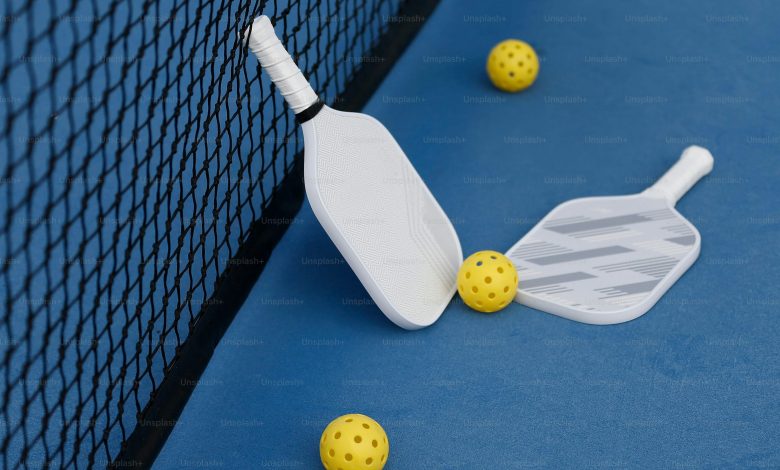
The UPA-A has been implementing more stringent onsite testing to make sure paddles are up to par with performance regulations.
However, some paddles have been flagged onsite because they produce more spin than they’re allowed based on the UPA-A’s new rules, which took effect on 1 September 2025. While these paddles were promptly removed from play, the fact that they were caught in the first place raises even more questions about testing standards and protocols.
Unsurprisingly, the UPA-A has released even more rules on the matter, including the violation criteria that will be used to test paddles on site. The UPA-A also imposed increasing fines for repeat offenders that could reach USD $50,000.
“New UPA-A paddle rules went into effect 1/9/25,” the UPA-A wrote on X. “We have confiscated and tested a number of paddles from onsite testing and are working with brands to ensure they remain eligible for play.”
Violation Criteria and Fines, According to UPA-A (Effective 16 November 2025)
According to the recently released UPA-A memo, a paddle may be confiscated if it meets any of the following conditions:
- Surface roughness reading exceeds 25% of the reading of the paddle(s) originally submitted for UPA-A Certification on the Starrett SR-160 Meter.
- Paddle surface exhibits a different material composition or finish than what was originally submitted and approved during certification.
First-time offenders with a spin rating of ≤2,100 will be fined USD $1,000, while those with a spin rating of ≥2,100 will be fined USD $5,000. The infraction in both cases will also be recorded in a compliance log. The fines will go up to USD $5,000 and USD $10,000, respectively, and the paddle model will be placed under compliance review and subjected to suspension. A third offence would merit a USD $50,000 fine, along with an investigation that could lead to removal from the certification list and/or additional fines.
These rules and regulations being imposed by the UPA-A are designed to ensure that the same models that passed initial testing are the ones being used in actual competition. However, history suggests this isn’t always the case, thus highlighting the need for stringent onsite testing.