US-Based Study Finds Increase in Pickleball-Related Injuries, Shows Risks of Playing Sport

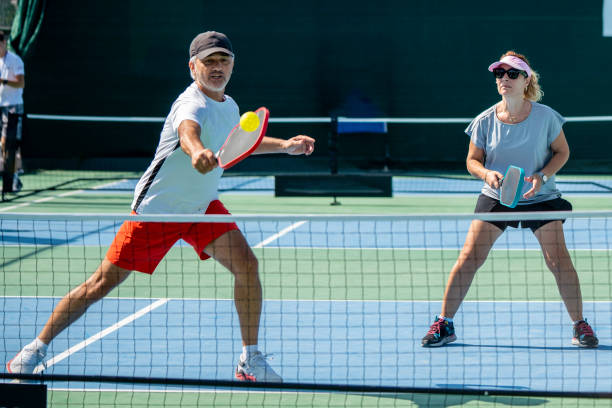
As far as pickleball gear is concerned, goggles are probably not high on your list. But maybe they should be. That’s because eye injuries related to pickleball are rising, according to a study recently published in JAMA Ophthalmology.
The study, “Pickleball-Related Ocular Injuries Among Patients Presenting to Emergency Departments,” found that pickleball-related eye injuries have increased “at an alarming rate over the past four years.”
Dr Corey R. Lacher from the Department of Ophthalmology and Visual Science at Rutgers New Jersey Medical School, Newark, led the study, along with Dr Irene Koc from Rutgers Robert Wood Johnson Medical School at New Brunswick, and Dr Jonathan C. Tsui from the Department of Ophthalmology and Visual Science at Rutgers New Jersey Medical School.
Dr Lacher’s team performed a cross-sectional study where they assessed the incidence rate and demographic factors associated with pickleball-related eye injuries in the last 20 years. The team pored over the National Electronic Injury Surveillance System database from 2005 to 2024 and found a population-based sample of cases with eye injuries that happened while playing pickleball.
More Players, More Eye Injuries
The study, which is US-based, concluded that there’s been a spike in pickleball-related injury, with the team estimating the number at about 200 per year from 2014 to 2021. This number spiked considerably to 1,262 in 2024 alone, which represents one-third of the estimated 3,112 eye injuries supposedly recorded in previous years combined.
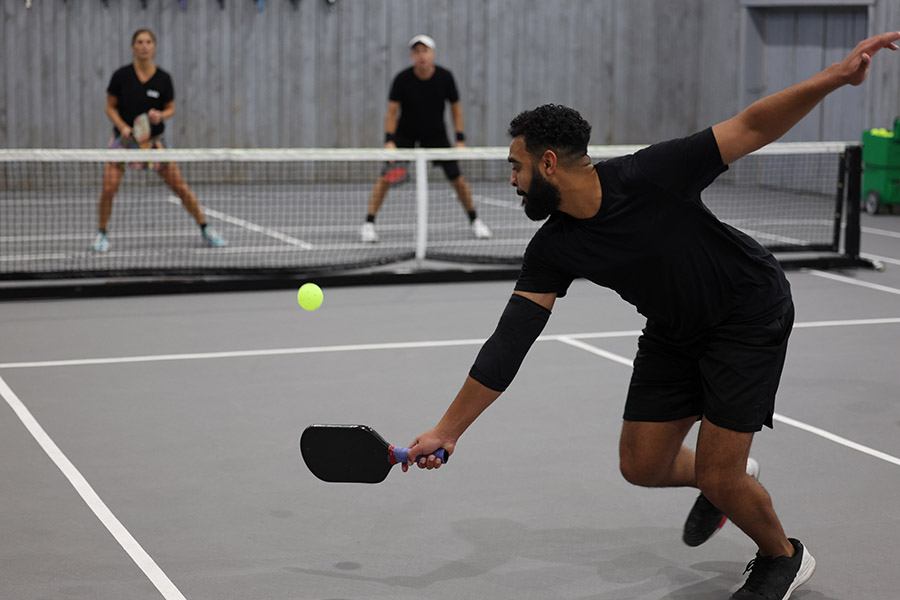
“Based on a survey-weighted linear regression, the estimated incidence of pickleball-related eye injuries increased by 405 cases (95% confidence interval [CI], 288–522 cases; P = 0.004) annually from 2021 to 2024. There were more pickleball-related ocular injuries among patients aged 50 years or older than among patients younger than 50 years (difference, 39%; 95% CI, 6%–65%; P = 0.03). Severe eye injuries included retinal detachment, orbital fracture, globe trauma, and hyphema. Mechanisms of injury included direct hit by a pickleball, direct hit by a paddle, and falls,” wrote the authors.
Not Alarming, But Risks Are Real
This number, of course, is still minuscule when juxtaposed with the estimated 19.8 million pickleball players in the US, but it nonetheless shows there are risks involved when playing pickleball.
Among the more common eye injuries pickleball players in the US suffered were retinal detachments, fractures to one or more of the bones that make up the eye socket, and hyphema, which refers to blood collecting in the front of the eye.
Part of the reason playing pickleball can be risky to one’s eyes, according to Dr Tsui, is due to the ball travelling at high speeds since hollow, perforated pickleballs meet little air resistance. Couple this with beginners and the risk only grows.
“We’ve seen a lot more players who are not familiar with the sport entering the court, and that creates a lot of opportunity for injury,” wrote Dr Tsui. “They’re not used to how fast the projectiles are moving and how close to the other players on the court they are.”
Pickleball Players Everywhere Need to Be Careful
While the study is US-based and focuses on pickleball players in North America, it nonetheless highlights how playing pickleball—or any sport, for that matter—comes with the risk of injury. This is why picklers everywhere need to be very careful when playing to at least minimise these injury risks.
One thing pickleball players can do in terms of reducing the risks of eye injury is to wear goggles, according to Dr Tsui. Of note, wearing protective eyewear isn’t prescribed just yet at the professional or competitive levels, but players can choose to do so for protection. Beginners, in particular, are advised to wear goggles as they are still adjusting to the speed of the game.
Ultimately, the whole point of playing pickleball is to have fun—but certainly not at the expense of one’s health and safety.