Report: Pickleball Muscling Logistics Out of Metro Manila’s Warehouses Amidst Sport’s Meteoric Rise in PH

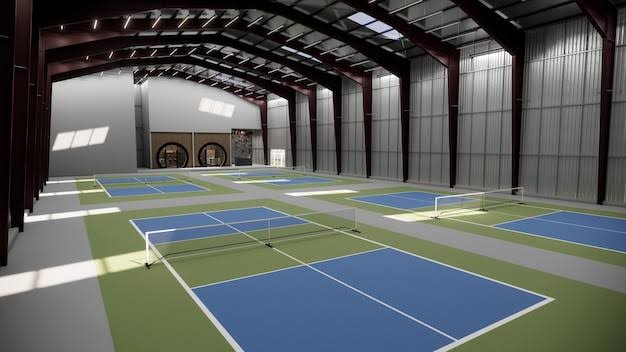
Of all the forces you might expect to push up warehouse rents, a sport played with a perforated plastic ball probably wasn’t on the list. Yet here we are. According to a Bilyonaryo report, pickleball has become an unlikely rival to logistics firms in the Philippines for industrial space in Metro Manila, and property consultancy Prime Philippines says the sport’s rapid expansion in the country is helping drive lease rates up by 11.84 percent.
The appetite is considerable. Recreational operators hunting for room to set up pickleball, tennis, and badminton courts generated roughly 62,000 square metres of requirements between January and August this year, according to Joy Rosario, executive vice president of Prime Philippines’ industrial solutions department. That’s a fresh source of demand in a market that has long been defined by logistics and warehousing, and it has helped lift Metro Manila’s industrial occupancy to 85 percent from 80 percent.
Why Courts Can Outbid Cargo
The reason is simple arithmetic. Pickleball operators, Rosario explained, can afford to pay more than logistics companies, which have to factor transport and other running costs into what they’re willing to spend on property. “That has influenced Metro Manila lease rates because they can pay more compared to a logistics company that has other costs to consider,” she said.
What these operators actually need isn’t small. A typical pickleball facility takes up around 2,500 square metres, though requirements can swing anywhere from 1,500 to 4,000. Some add mezzanine lounges and coffee shops, tacking on another 250 to 300 square metres. A warehouse, in other words, turns out to be a rather good fit for a venue that needs wide, uninterrupted floor space and high ceilings.
Landlords Have Noticed
For property owners, the new tenant type is a welcome development. Pickleball operators give landlords another option when warehouse leases come up for renewal and, in some cases, room to push rents higher. Rosario pointed to one property in Parañaque where the landlord is now asking ₱450 per square metre, up roughly 18 percent from ₱380 last year.
Metro Manila is pulling well ahead of the wider region, too. Lease rates across the broader Luzon industrial market rose by an average of 4 percent from a year earlier, a far gentler climb than the capital’s near-12 percent jump.
None of this means logistics has lost its place. Those firms remain an important source of demand, particularly for warehouses near ports and for facilities with loading bays that cut truck waiting times. But they’re now competing for space against a very different kind of tenant, one that arrives with paddles, coffee machines, and a willingness to pay for the privilege.
It’s also a revealing snapshot of just how far pickleball’s boom has travelled in the Philippines. When a sport starts moving industrial rents, it has stopped being a passing fad and become part of the property landscape.